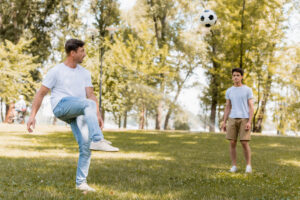

Have you ever walked through a park, town square, or neighbourhood and immediately felt comfortable, relaxed, and welcome? On the other hand, some public spaces feel cold, empty, or even intimidating despite having plenty of room and infrastructure. The difference often comes down to thoughtful planning, quality urban designs, well-placed streetscape furniture, and practical amenities such as sports shelters for our active youth. For Australian fathers and families, welcoming public spaces play an important role in creating healthier communities where children can play, neighbours can connect, and people of all ages can enjoy spending time outdoors together.
What Makes a Public Space Feel Welcoming?
Urban planners have spent decades studying how people interact with public spaces. While every community is different, welcoming public spaces tend to share several common characteristics.
They are easy to access, safe to navigate, visually appealing, and designed around the needs of the people who use them. Good lighting, comfortable seating, shade, open sightlines, and attractive landscaping all contribute to a positive experience.
Successful urban designs focus on people first. Rather than simply creating spaces that look good on paper, planners consider how residents will move through, use, and enjoy the area. High-quality streetscape furniture and practical facilities like picnic settings and sports shelters help transform public areas into places where people actually want to spend time.
The Psychology Behind Public Spaces
People naturally gravitate towards environments that feel safe and comfortable. Psychologists often refer to this as environmental psychology, the study of how physical surroundings influence behaviour and emotions.
When a public space includes seating, shade, greenery, and opportunities for social interaction, people are more likely to linger and engage with others. Conversely, areas that feel neglected, poorly maintained, or lacking in basic amenities often discourage use.
This is where thoughtful urban planning becomes important. Small details can have a surprisingly large impact. Well-maintained streetscape furniture in plazas and parks encourages people to stop and rest, while accessible shelters provide protection from Australia’s often harsh weather conditions, making recreational spaces more usable year-round.
Why Welcoming Spaces Matter for Families
For fathers and families, welcoming public spaces provide much more than somewhere to spend an afternoon. They create opportunities for exercise, social interaction, and quality time away from screens.
Children benefit from safe places to explore, play, and develop social skills. Parents benefit from having comfortable seating areas to supervise children while also connecting with other members of the community.
Strong urban designs support these outcomes by creating environments that encourage people to stay longer. Comfortable street and park furniture allows parents and grandparents to relax while children play nearby. Likewise, strategically located sports shelters help support community sporting events, school activities, and weekend family gatherings.
Essential Park and Street Furniture for Kid-Friendly Neighbourhoods
Creating family-friendly public spaces requires more than simply installing a playground. A complete streetscape considers the needs of everyone who uses the area.
Some of the most important elements include:
Comfortable Seating
Benches and seating areas allow parents, carers, and seniors to comfortably enjoy public spaces while supervising children.
Shade and Shelter
Australia’s climate makes protection from the sun essential. Well-designed sports and bus shelters provide relief from heat, rain, and wind, making parks and recreational spaces more comfortable throughout the year.
Bicycle Racks
Bike racks encourage active transport and help children and parents safely access parks, schools, and sporting facilities.
Waste Management Infrastructure
Clean spaces feel more welcoming. Quality bins and recycling stations help keep parks and community spaces tidy.
Landscaping and Greenery
Trees, gardens, and native vegetation make public spaces more attractive while providing many environmental benefits.
All of these elements work together within larger urban planning principles to create environments that people genuinely enjoy using. Durable urban furniture helps ensure these benefits continue for years to come.
The Important Role Men Play in Welcoming Communities
While good design creates the foundation for successful public spaces, communities ultimately determine how those spaces are used.
Men, particularly fathers, coaches, mentors, and community volunteers, often play a significant role in creating positive public environments. Whether coaching junior sport, participating in local clean-up programs, organising community events, or simply modelling respectful behaviour, their actions help shape the culture of shared public spaces.
Facilities often become gathering points where these community connections develop. These spaces help strengthen neighbourhood relationships and foster a greater sense of belonging.
Why Councils Continue Investing in Better Public Spaces
Australian councils increasingly recognise that high-quality public spaces contribute to healthier, happier, and more connected communities. Well-designed parks and streetscapes encourage physical activity, support local businesses, reduce social isolation, and improve overall quality of life for people of all ages.
Investments in practical infrastructure often deliver long-term benefits that extend far beyond aesthetics. They help create places where people feel comfortable gathering, interacting, and building stronger communities.
Building Places Where People Genuinely Want to Be
The best public spaces do more than simply fill a gap on a map. They invite people to stay, connect, and participate in community life.
Through thoughtful urban designs, high-quality streetscape furniture, and practical facilities like sports shelters, Australian councils can create environments that feel welcoming for everyone. When communities also take pride in caring for and respecting these shared spaces, the result is something far more valuable than infrastructure alone; it is a stronger, healthier, and more connected neighbourhood for families today and future generations alike.