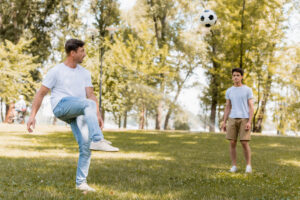
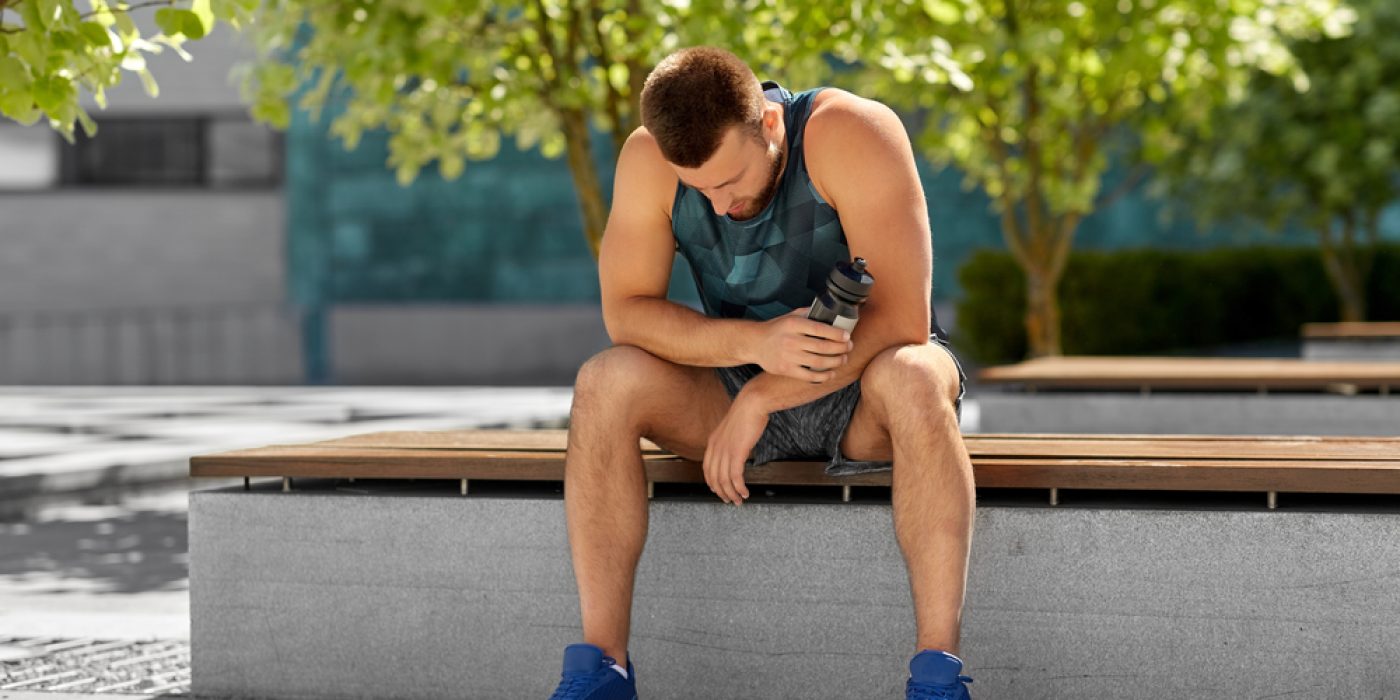
Modern cities face a growing challenge: how do we encourage people to spend more time outdoors and stay physically active in increasingly busy urban environments? As Australians spend more time indoors and behind screens, councils and planners are placing greater importance on creating public spaces that support movement, exercise, and healthier lifestyles. Well-designed street furniture in Australia, practical metal bike racks, and accessible outdoor seating solutions all play a major role in helping communities become more active and connected.
Why Active Outdoor Spaces Matter More Than Ever
Physical activity is essential for both physical and mental wellbeing. Yet in many major cities, long commutes, office-based jobs, and digital lifestyles reduce the amount of movement people experience each day.
Public spaces that encourage walking, cycling, and outdoor recreation help counter this trend. Well-planned urban environments motivate people to leave their homes, explore local areas, and interact with their surroundings.
This is where quality street furniture in Australia becomes so important. Comfortable seating, safe pedestrian pathways, bicycle infrastructure, and shaded rest areas all make outdoor activity more appealing and practical.
At the same time, well-placed outdoor seating solutions allow people of all ages to comfortably enjoy parks, walking trails, and public plazas without feeling rushed or fatigued.
The Street Furniture That Encourages Movement
Thoughtful streetscape design can subtly encourage people to move more throughout the day. Different forms of street and park furniture each contribute in unique ways.
Seating and Rest Areas
While seating may not seem directly linked to exercise, it actually plays a critical role in encouraging movement. People are far more likely to walk longer distances when they know rest points are available along the way.
Accessible outdoor seating positioned along pedestrian routes makes cities more comfortable for older residents, families, and people with mobility limitations. Benches placed near parks, waterfronts, and retail strips also encourage people to spend more time outdoors.
Modern streetscape furniture often incorporates shaded seating areas that support year-round outdoor activity, particularly during hot summers.
Bicycle Racks and Active Transport
Cycling infrastructure is one of the clearest examples of how urban furniture supports active communities. Secure metal bike racks encourage people to cycle to work, school, or local shops instead of relying solely on cars.
When councils install metal bike racks near transport hubs, parks, and retail precincts, they create safer and more convenient environments for cyclists. This helps support healthier lifestyles while also reducing congestion and emissions.
Many cities now combine cycling infrastructure with wider strategies that prioritise active transport and walkability.
Shelters, Bollards, and Fencing
Shelters and shade structures encourage people to spend longer periods outdoors by protecting them from harsh weather conditions. Whether placed near walking tracks, playgrounds, or sporting areas, shelters support more active public spaces.
Similarly, bollards and fencing contribute to safer environments by separating pedestrians and cyclists from traffic. These design features help make outdoor movement feel safer and more accessible for everyone.
Combined with practical seating areas, these elements create public spaces that encourage daily activity and social interaction.
Melbourne and Sydney
Major Australian cities have made significant progress in creating active urban environments, but there is still room for improvement. Melbourne and Sydney continue investing heavily in cycling infrastructure, pedestrian-friendly streets, and public parks.
However, population growth places increasing pressure on these systems. In many areas, public infrastructure struggles to keep pace with demand. Some suburbs still lack sufficient secure storage for bicycles, shaded seating, or safe pedestrian corridors.
Many growing communities would benefit from additional investment in street furniture in Australia as a whole, to support walking and outdoor recreation. Expanding park networks, improving active transport connections, and increasing accessible rest areas will become increasingly important as cities continue to grow.
The Benefits of Active Communities
Designing cities that encourage movement delivers benefits far beyond physical health. Active communities often experience safer streets, stronger local economies, and greater social connection.
Public spaces fitted with outdoor seating solutions encourage people to spend more time outdoors, increasing foot traffic for local businesses and improving community interaction.
Similarly, areas equipped with accessible street and park furniture tend to feel more welcoming and vibrant. More people walking and cycling through public spaces naturally increases activity and passive surveillance, which can improve safety.
Investment in infrastructure also supports environmental goals by encouraging sustainable transport options and reducing car dependence.
Most importantly, active public spaces help create healthier communities where people of all ages can enjoy outdoor environments and maintain stronger social connections.
Designing Cities That Keep People Moving
Creating healthier cities requires more than simply adding parks or walking paths. Urban environments must include practical infrastructure that supports movement, comfort, and accessibility at every stage of the journey.
By investing in high-quality street furniture in Australia, installing durable metal bike racks where needed, and incorporating thoughtful outdoor seating solutions, councils and planners can create cities that encourage people to move more, spend time outdoors, and engage with their communities. As Australian cities continue to evolve, well-designed streetscape infrastructure will remain essential in building healthier, safer, and more connected urban environments for the future.