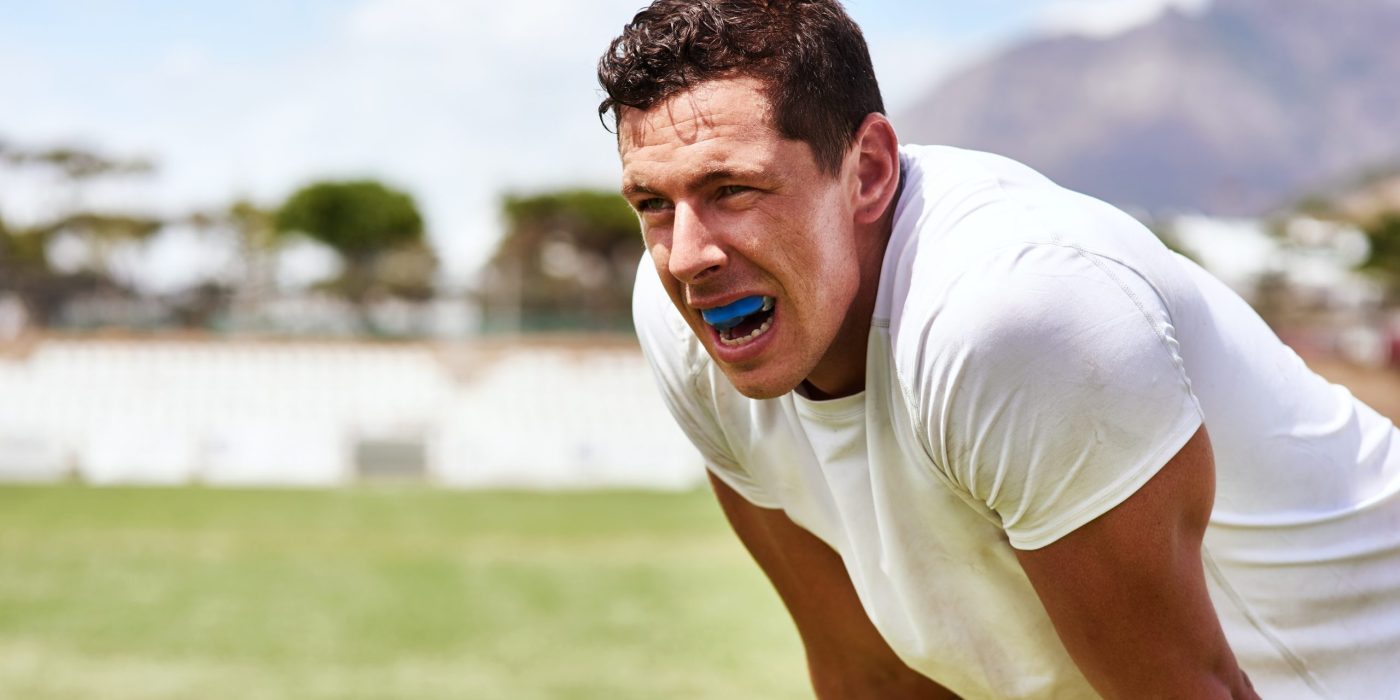
Love your footy, rugby or martial arts, but worried that braces might bench you for the season? The good news is that you can usually continue playing contact sports while undergoing orthodontic treatment. However, adult braces, whether metal braces or clear ceramic braces, can increase the risk of cuts and irritation if a blow to the face pushes your lips or cheeks against the brackets. The right mouthguard and a few sensible precautions can help protect your smile without keeping you off the field.
Why Are Braces a Concern During Contact Sports?
Contact sports involve tackles, collisions, elbows, falls and the occasional accidental head clash. Even when you wear a mouthguard, an impact can push your lips against the brackets and wires attached to your teeth.
These components can cause cuts inside your mouth, particularly during a direct blow. A hard impact can also damage a bracket, bend a wire or injure a tooth. In more serious cases, trauma can loosen or displace a tooth.
The type of braces you wear matters less than having a suitable protective mouthguard. Although metal braces are sturdy, their brackets and wires can still irritate soft tissue during an impact. Clear ceramic braces can create similar risks because they also have brackets and wires attached to the teeth.
Which Australian Sports Carry the Greatest Risk?
Some sports expose players to more frequent or forceful contact than others:
- Rugby league and rugby union: Tackles, rucks and collisions create a significant risk of facial impacts.
- Australian rules football: Contested marks, tackles and accidental clashes can quickly injure the mouth and teeth.
- Combat sports: Boxing, kickboxing and martial arts involving strikes to the head carry a particularly high risk of facial and dental trauma.
- Basketball and netball: Although not always classified as contact sports, elbows, falls and accidental collisions can still cause dental injuries.
- Cricket and hockey: Fast-moving balls or sticks can strike the face, making appropriate facial protection essential.
No mouthguard can eliminate every risk. However, using suitable protection and following your sport’s safety rules can substantially reduce the chance of dental injury.
What Mouthguard Should You Wear With Braces?
A mouthguard is essential when playing contact sports with braces. It helps absorb and distribute impact forces, reducing the risk of damage to teeth and soft tissues.
A properly fitted orthodontic mouthguard is often the best choice. Unlike a standard mouthguard that may fit tightly around brackets, an orthodontic design allows room for tooth movement and can accommodate the changing position of your teeth during treatment.
Ask your dentist or orthodontist which option suits your sport and appliance. They can recommend a suitable design and explain when you may need to replace or adjust it.
Avoid trimming or modifying a mouthguard yourself to make it fit around brackets. A poor fit can reduce protection or interfere with your orthodontic treatment.
If you’re wearing adult braces, don’t assume you can skip a mouthguard because you only play socially or train occasionally. Injuries can happen in amateur competitions and casual games just as easily as in professional sport.
Do Metal and Ceramic Braces Need Different Protection?
In most cases, the same basic principle applies: protect your teeth, braces and soft tissues with a suitable mouthguard.
Ceramic and metal braces both use brackets and wires, so neither removes the need for protection. Your orthodontist can help you choose a mouthguard that fits your appliance and accommodates tooth movement.
If you play sport regularly, mention your training schedule when discussing treatment. That way, your orthodontic team can factor your sporting needs into their advice.
When Should You Contact Your Orthodontist After an Injury?
If you take a blow to the mouth, remove yourself from play and check for pain, bleeding, loose teeth or damaged braces.
Contact your orthodontist promptly if a bracket breaks, a wire bends or pokes your cheek, or a tooth becomes painful or loose. A knocked-out permanent tooth is a dental emergency: seek urgent dental care immediately, as prompt treatment can make a difference to the outcome. Don’t wait for your next routine appointment.
Seek emergency medical care for serious facial injuries, uncontrolled bleeding, suspected jaw fractures or possible concussion symptoms. If you experience symptoms such as confusion, repeated vomiting or worsening headache after a head impact, seek urgent medical assessment.
Keep Playing, but Protect Your Smile
Braces don’t automatically mean giving up the sports you love. With the right precautions, many people continue training and competing throughout orthodontic treatment. If you wear adult braces, whether metal braces or ceramic braces, make a properly fitted mouthguard part of your sporting kit. Check it regularly, replace it when it no longer fits correctly and speak to your orthodontist if your appliance or teeth change. A little preparation can help you protect your smile while staying in the game.