
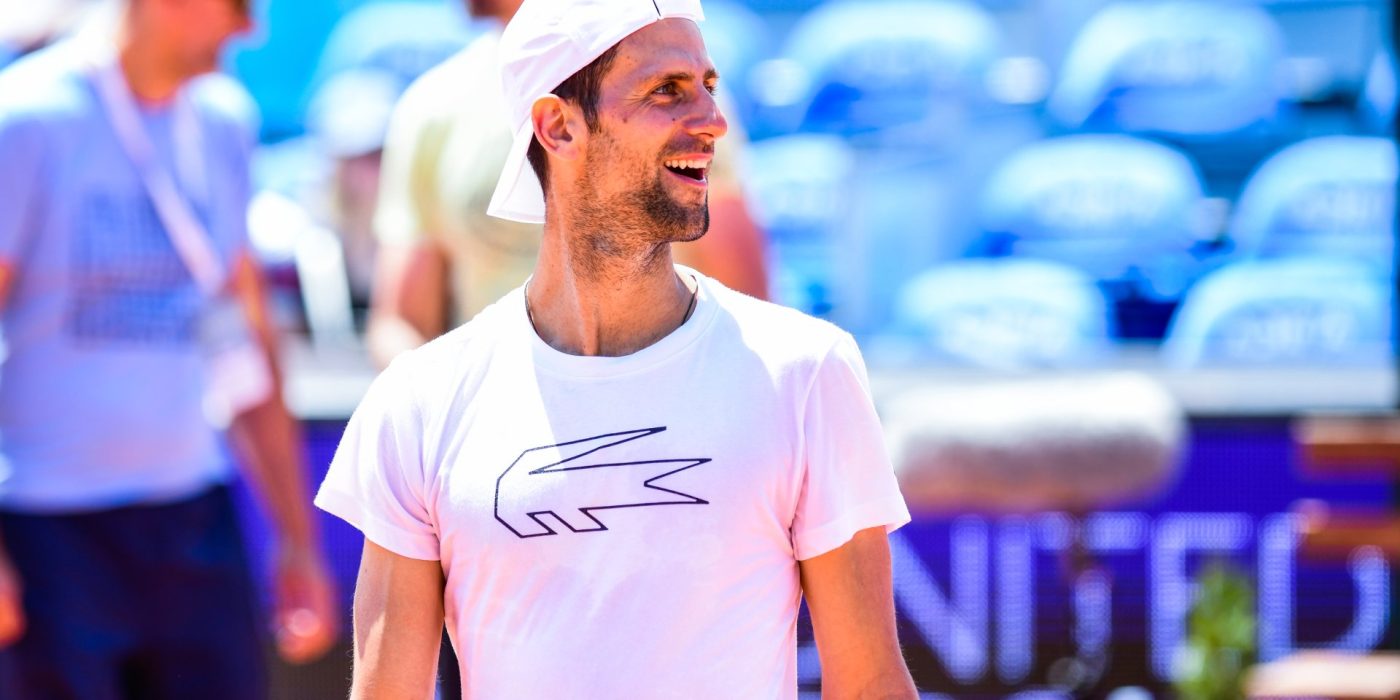
The diet that saw Djokovic go from regular mid-match collapses, to a Grand Slam winning streak and how to replicate it yourself. Image credit: Getty Images

Image credit: Getty Images
You might not remember a time when Novak Djokovic wasn’t almost wholly unstoppable on the tennis court. The 24-time Grand Slam winner has dominated the sport, which began around 2008 when he won the Australian Open, disrupting the hot streak of Roger Federer and Rafael Nadal, who had won the last 11 consecutive majors.
As his old rivals entered retirement, Djokovic has faced new challenges from young players that have threatened his dominance. With a few exceptions, most notably from Spaniard Carlos Alcaraz, and even Aussie Nick Kyrgios at one point; Djokovic has managed to, for the most part, swat away threats to his titles. And now, at age 39, Djokovic still has the physicality and mentality to stay at the top, and is showing no signs of slowing down.
With such a profound legacy in the sport, it’s hard to imagine a time where Djokovic wasn’t a shoe-in for the final and hoisting trophies above his head. Charting the tennis champion’s progression in the sport, will lead you to find that his early years were plagued with mid-match collapses that proved a barrier to the success he has proven now to be so capable of achieving.
The key to his longevity, and thus his dominance, can largely be attributed to his change in fitness routine. Supporting his out-of-this-world level of athleticism is a well-structured, and meticulous diet that has helped take his fitness to the height it needs to dominate in the game for so long. It wasn’t until Djokovic consulted a nutritionist that he learned how important diet is to performance and made some significant changes.

Image credit: AFP
The Turning Point
To take you back over a decade for a second, in 2010 Djokovic came up against Jo-Wilfried Tsonga at the 2010 Australian Open quarter-final. Despite taking a lead of two sets to one, and looking at a serve to win, Djokovic then suffered a physical crisis: he had trouble breathing, felt completely drained of strength, and vomited violently during a toilet break. When he returned to the court, he won only four games in the remaining two sets which saw Tsonga coast to victory.
Thankfully, Dr Igor Cetojevic, a nutritionist and fellow Serb, was watching the match and immediately suspected that Djokovic’s breathing difficulties were a consequence of an imbalance in his digestive system.
The pair later met for a consultation in which Cetojevic asked to hold a slice of bread against his stomach with his left hand, with his right arm outstretched, resisting the pressure as the doctor pushed down on him. When his arm felt appreciably weaker than before, it became apparent that Djokovic was sensitive to gluten.
Further blood tests showed he also was strongly intolerant to wheat and dairy products, and mildly sensitive to tomatoes. It’s not what most people want to hear, let alone those whose parents own a pizza restaurant. But Djokovic was motivated to succeed and immediately went gluten free; he cut out bread and cheese from his diet, while also cutting down on tomatoes.

Image credit: Getty Images
The Djokovic Diet
Djokovic went gluten free for two weeks and felt immediate benefits. He felt lighter, more energetic and slept better than before. After the two weeks, Djokovic made the diet a permanent lifestyle and the benefits quickly followed. Within 12 months, he was healthier, more alert, energetic and mentally sharper.
Djokovic follows a gluten- and dairy-free diet. He also cuts out as much sugar as possible, tending to stick to vegetables, beans, white meat, fish, fruit, nuts, seeds, chickpeas, lentils and healthy oils.
His dedication is notably, quite intense—as you would expect from one of sport’s greatest icons. After winning a near six-hour final against Rafael Nadal at the 2012 Australian Open, Djokovic had a craving for chocolate, which he hadn’t eaten for 18 months. His physiotherapist brought him a bar but the Serb simply broke off one square, let it melt in his mouth and then left the rest.
Djokovic went on to write about his diet and the changes he made in his book, Serve To Win. Providing readers with detail on what he eats, he also gives a sample three days from his diet which we’ve laid out below, should you fancy trying it out yourself.
Day One
Breakfast: Water first thing out of bed; two tablespoons of honey; muesli (including organic gluten-free rolled oats, cranberries, raisins, pumpkin or sunflower seeds and almonds)
Mid-morning snack: (if needed): Gluten-free bread or crackers with avocado and tuna
Lunch: Mixed-greens salad, gluten-free pasta primavera (including rice pasta, summer squash, courgettes, asparagus, sun-dried tomatoes and optional vegan cheese)
Mid-afternoon snack: Apple with cashew butter; melon
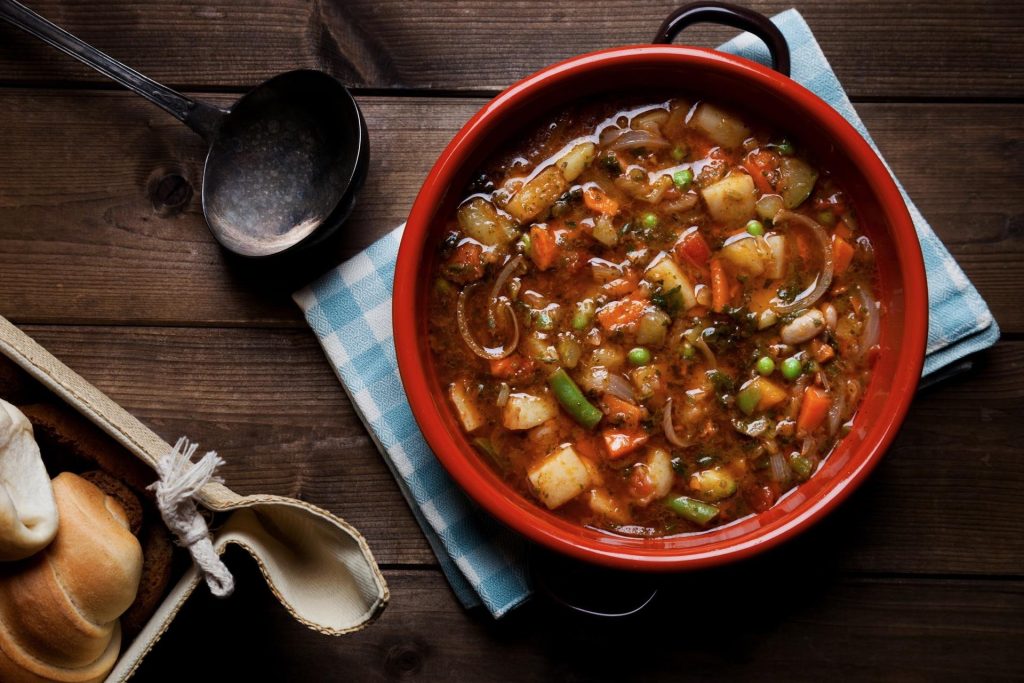
Dinner: Kale caesar salad (kale, fennel, quinoa and pine nuts) plus dressing (including anchovies or sardines); minestrone soup; salmon fillets (skin on) with roasted tomatoes and marinade
Day Two
Breakfast: Water first thing out of bed; two tablespoons of honey; banana with cashew butter; fruit
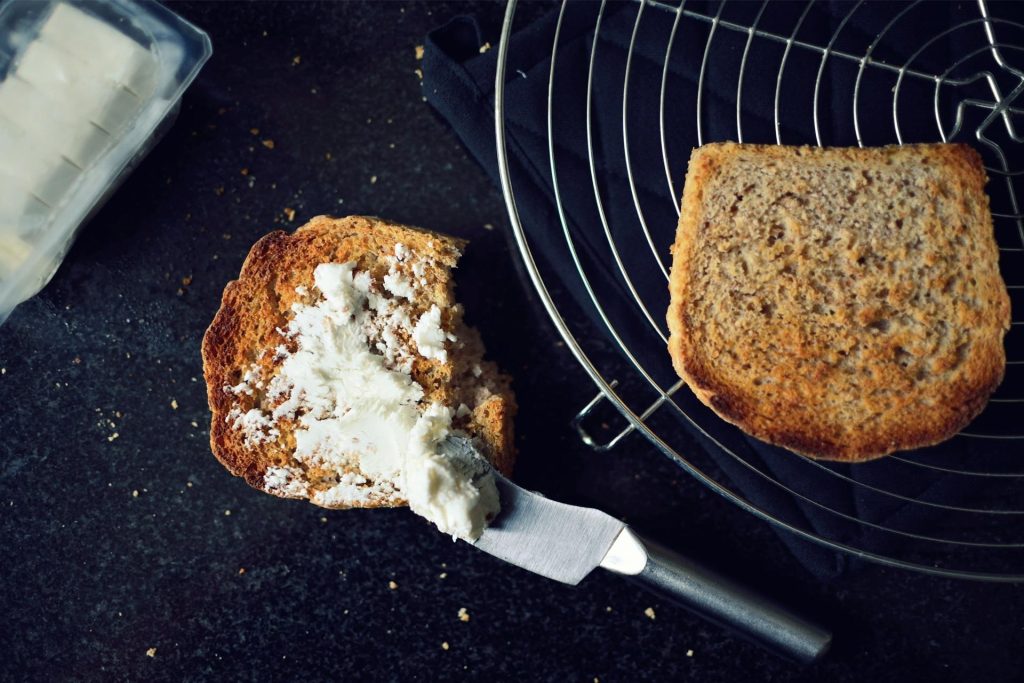
Mid-morning snack: (if needed): Gluten-free toast with almond butter and honey
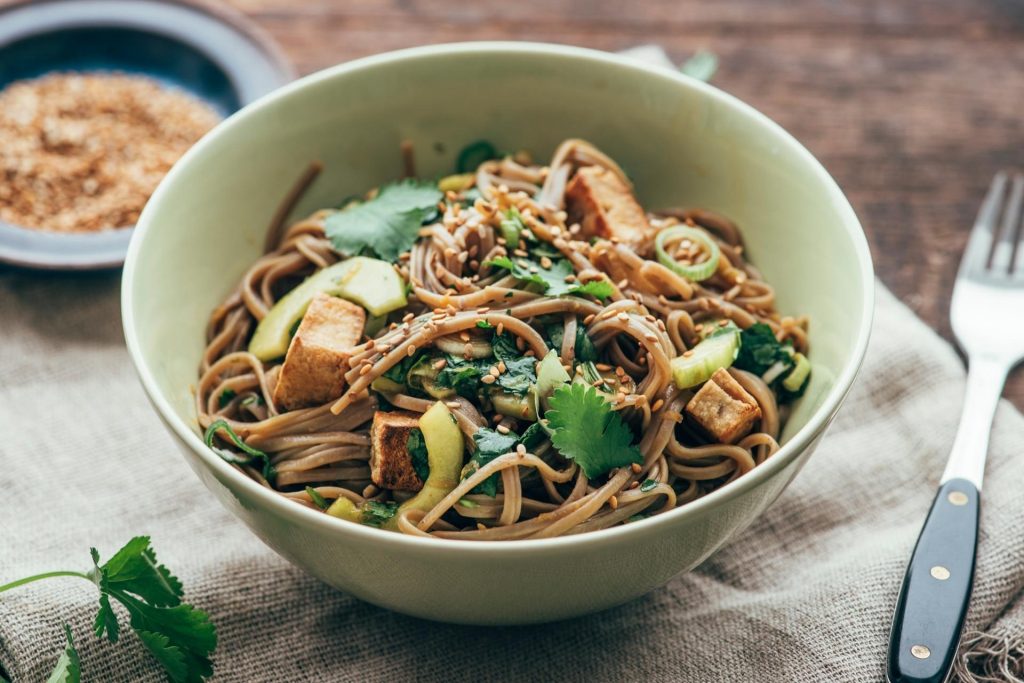
Lunch: Mixed-greens salad, spicy soba noodle salad (including gluten-free soba noodles, red bell pepper, rocket, cashews and basil leaves, plus spicy vinaigrette)
Mid-afternoon snack: Fruit and nut bar; fruit
Dinner: Tuna nicoise salad (green beans, cannellini beans, rocket, tuna, red pepper, tomatoes and canned chickpeas), tomato soup, roasted tomatoes
Day Three
Breakfast: Water first thing out of bed; two tablespoons of honey; gluten-free oats with cashew butter and bananas; fruit
Mid-morning snack: (if needed): Home-made hummus (including chickpeas and gluten-free soy sauce) with apples/crudités
Lunch: Mixed-greens salad, gluten-free pasta with power pesto (including rice pasta, walnuts and basil leaves)
Mid-afternoon: snack Avocado with gluten-free crackers; fruit
Dinner: Fresh mixed-greens salad with avocado and home-made dressing; carrot and ginger soup; whole lemon-roasted chicken