
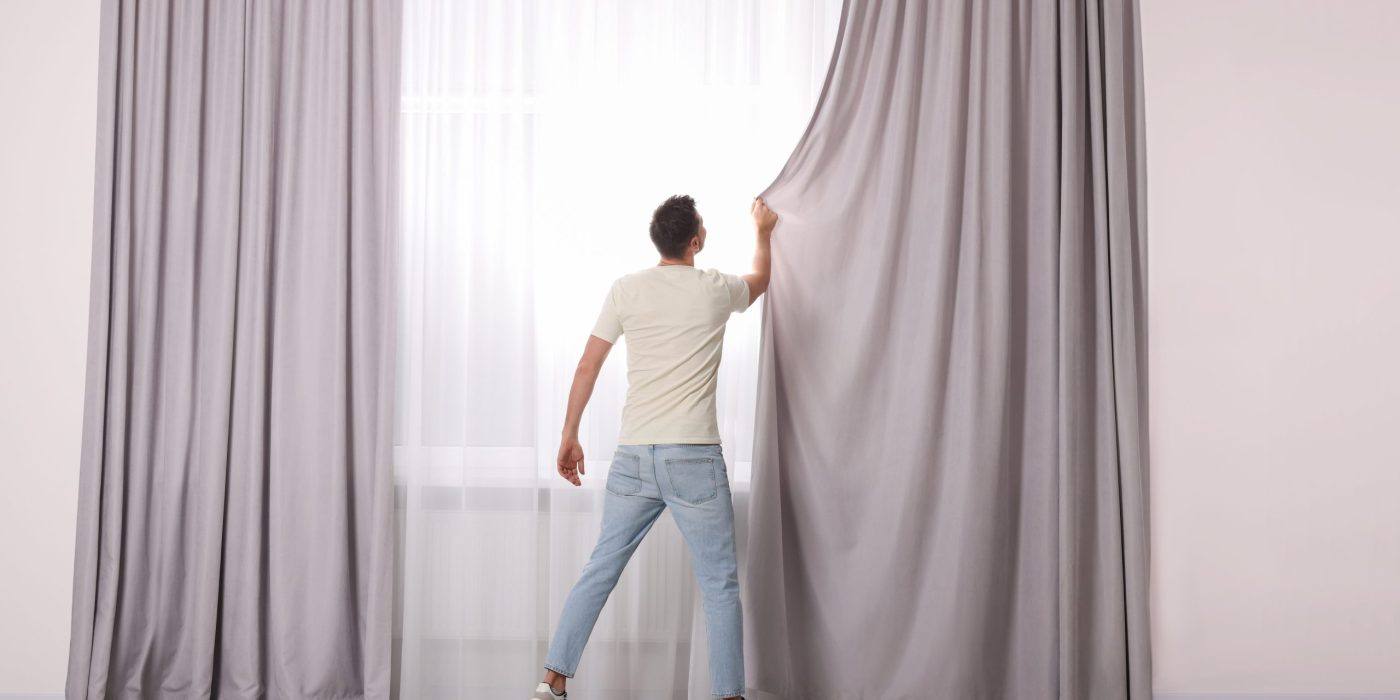
When you’re trying to make your home more energy efficient, curtains probably aren’t the first thing that comes to mind. You might think about solar panels, insulation, double glazing, or upgrading the air conditioner. However, your windows can be a major source of unwanted heat gain and heat loss, and the right window furnishings can help. From lined curtains that provide an additional barrier at the window to thermal curtains designed to improve insulation, choosing quality window coverings, including Australian made curtains, can help create a more comfortable home while potentially reducing your reliance on heating and cooling.
Why Windows Can Affect Your Home’s Temperature
Glass is excellent at letting natural light into your home, but it isn’t the best insulator compared with a properly insulated wall.
In summer, sunlight passing through windows can quickly heat up your interiors. In winter, warmth from your heating system can escape through the glass, particularly around older or poorly sealed windows.
This means your heating and cooling systems often have to work harder to maintain a comfortable indoor temperature. Curtains won’t solve every energy-efficiency problem, but they can provide an extra layer between your living space and the glass.
The key is choosing the right curtains and installing them correctly.
How Do Curtains Help With Energy Efficiency?
The basic principle is simple: curtains can help reduce the movement of heat between your room and the window.
During winter, a well-designed curtain can create a layer of still air between the fabric and the glass. This helps slow the transfer of warmth from inside your home to the colder window surface.
During summer, curtains can help block sunlight before it heats up your interior. This can be particularly useful for windows that receive strong afternoon sun.
The effectiveness of your curtains depends on several factors, including the fabric, lining, fullness, installation, and how well the curtains cover the window.
Lined Curtains Can Add an Extra Layer of Protection
For homeowners looking to improve their home’s thermal performance, lined curtains can be a smart upgrade.
A lining adds another layer between the room and the window, helping to reduce heat transfer while also improving the way the curtains hang. Depending on the material, the lining may also help protect the face fabric from prolonged exposure to sunlight.
The way you install your curtains matters, too. Curtains that extend beyond the sides and bottom of the window can reduce gaps where heat can move around the edges. Floor-to-ceiling installations can also provide broader coverage while creating a more polished appearance.
For the best performance, consider the entire window rather than simply choosing the thickest fabric you can find.
Are Thermal Curtains Worth Considering?
If temperature control is a priority, thermal curtains are designed specifically with insulation in mind.
Their construction can help reduce heat transfer through windows, making them particularly useful in rooms that become excessively hot in summer or lose warmth quickly during winter. They can also contribute to a more comfortable indoor environment by reducing draughty or chilly sensations near glazing.
However, thermal curtains aren’t magic. They won’t replace proper wall and ceiling insulation, quality glazing, or well-sealed windows. Think of them as one part of a broader energy-efficiency strategy.
They can be particularly valuable when combined with appropriate curtain tracks that allow the fabric to sit close to the window and close fully when required.
Don’t Forget About Curtain Tracks and Installation
Even the best-performing fabric won’t reach its full potential if your installation leaves large gaps around the window.
A properly selected curtain track system allows curtains to open and close smoothly while supporting the weight of the fabric. For larger windows, heavy curtains may require stronger track systems designed to handle the load without sagging or becoming difficult to operate.
Ceiling-mounted tracks can also allow curtains to extend from above the window to the floor, creating a more continuous barrier. In premium installations, concealed tracks can provide a clean architectural finish without compromising functionality.
Motorised systems can add another practical advantage. Automated curtains can open and close according to a schedule, helping you manage sunlight throughout the day without constantly adjusting them yourself.
Quality and Longevity Matter
Energy efficiency isn’t just about how much heat a curtain can block today. It’s also about how long the product continues to perform.
High-quality Australian made curtains can offer excellent craftsmanship and durability, making them a worthwhile consideration for homeowners who want a long-term solution. Well-made curtains should retain their shape, operate smoothly, and continue to complement your interior for years.
Likewise, investing in quality custom curtains can make sense when you’re looking for a durable window furnishing that combines appearance with practical performance.
If you’re renovating or building, it’s worth considering your window furnishings early in the design process. This gives you more options for curtain placement, track selection, and integration with the overall architecture.
So, Can Australian Made Curtains Really Save Energy?
The short answer is yes, but don’t expect curtains alone to transform your home into an energy-efficient powerhouse.
Well-selected curtains can help reduce heat transfer through windows, while appropriate installation can minimise gaps and improve coverage. When combined with good insulation, efficient glazing, draught sealing, and sensible heating and cooling habits, quality window furnishings can contribute to a more comfortable and efficient home. For homeowners planning a long-term upgrade, Australian made curtains can provide a combination of quality, durability, and performance. Whether you choose lined curtains, thermal curtains, or another tailored solution, the smartest approach is to consider your home’s orientation, window size, climate, and individual needs before investing.