
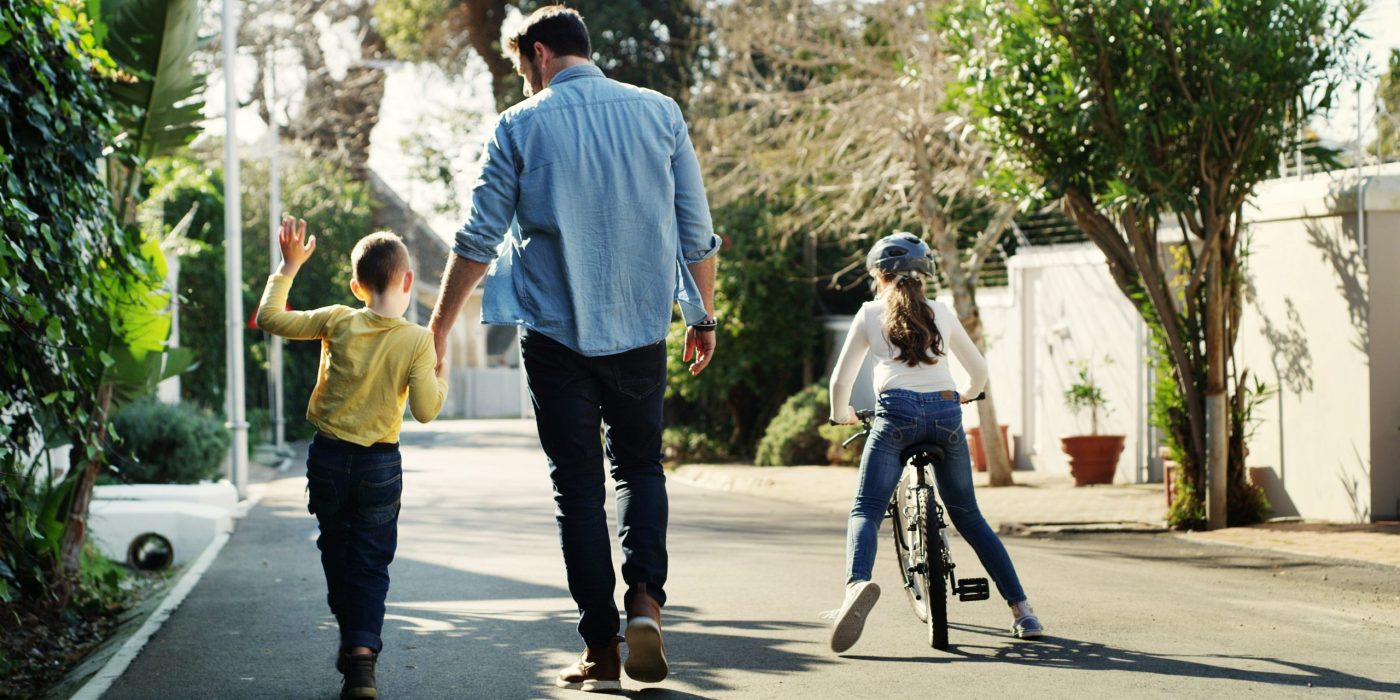
A good neighbourhood needs more than houses, roads and a local coffee shop. It needs places where people can take a breather, meet mates, spend time with their kids and enjoy the outdoors. Well-planned street furniture, practical park furniture and thoughtful urban designs help turn ordinary streets and public spaces into places people genuinely want to use. For active men, busy dads and the wider Australian community, these everyday features can make neighbourhood life healthier, easier and more enjoyable.
It’s the Little Things That Make a Neighbourhood Work
Think about your usual weekend walk, morning run or trip to the local park with the kids. A bench in the right spot gives you somewhere to rest. A drinking fountain helps you stay hydrated. A sheltered picnic table makes lunch outdoors more comfortable.
These features might seem minor, but they remove the little inconveniences that can discourage people from spending time outside.
Quality street furniture also helps make walking and cycling more practical. Seating along popular pedestrian routes gives people somewhere to pause, particularly older residents and anyone who needs a break. Bike racks provide a secure place to leave a bicycle while visiting local shops or meeting friends.
When neighbourhoods cater for these everyday needs, people have more reasons to get out of the house and explore their surroundings.
Better Spaces for Dads, Kids and Active Lifestyles
Public spaces need to work for people at different stages of life.
For dads with young children, a well-designed park might include shaded seating near a playground, picnic settings for family lunches and bins that make cleaning up straightforward. Being able to sit comfortably while keeping an eye on the kids can make a big difference to the experience.
For men who enjoy running, cycling or outdoor training, facilities such as drinking fountains, bike racks and benches along walking paths can make local recreation more accessible.
Good park furniture supports these activities without demanding much from the people using it. It gives families a reason to stay longer and makes active lifestyles easier to fit into busy schedules.
The best neighbourhood spaces also provide options for teenagers, older residents and people with disabilities. Accessible paths, suitable seating and clear movement routes help more people enjoy the same public areas.
What Should Every Modern Neighbourhood Have?
Every location has different needs, but several features deserve consideration in most neighbourhoods:
- Benches and public seating: Give walkers, shoppers and visitors somewhere to rest or socialise.
- Picnic settings: Support family gatherings, outdoor lunches and informal community events.
- Shelters and shade: Help people stay comfortable during hot weather and provide protection from rain.
- Bins and recycling facilities: Make it easier to keep shared spaces clean.
- Bike racks: Support cycling to parks, shops, schools and local facilities.
- Drinking fountains: Help walkers, runners, cyclists and families stay hydrated.
- Well-planned lighting: Can improve visibility and help public areas remain usable after dark when designed appropriately.
These elements should work together rather than appear as disconnected additions. Thoughtful urban designs consider pedestrian movement, accessibility, shade, landscaping and sightlines before deciding where each feature belongs.
Why Good Urban Designs Encourage Community Connection
Something interesting happens when public spaces give people a reason to stop.
A quick hello to another parent can become a regular conversation. A shared picnic table can bring different families together. A comfortable bench near a walking track might encourage someone to take a break and enjoy the surroundings rather than heading straight home.
These small interactions help build familiarity and a stronger sense of belonging.
Well-positioned street furniture can support this by creating comfortable places to pause without blocking pedestrian routes or making spaces feel crowded. Seating arrangements can encourage conversation, while a mix of quiet corners and communal areas gives people greater choice.
Good design doesn’t force people to socialise. It simply makes social interaction easier when they want it.
Respecting the Spaces We Share
Public furniture belongs to the community, which means everyone has a part to play in looking after it.
Vandalism, littering and careless damage can make neighbourhood spaces less attractive and increase the maintenance burden on councils. Damaged benches, broken shelter panels and overflowing bins can also affect accessibility and discourage people from using an area.
Treating public facilities with respect helps protect the investment made in local neighbourhoods by councils. Put rubbish in the bin, report damaged equipment when you notice it and encourage children to look after shared spaces.
Councils and maintenance teams also play an important role through inspections, repairs and appropriate cleaning. Durable materials and well-considered park furniture can help reduce maintenance demands, but even robust products benefit from regular care.
Small Investments, Lasting Benefits
Good neighbourhoods don’t happen by accident. They develop through decisions that make everyday life more comfortable, connected and accessible.
When councils combine practical amenities with thoughtful urban designs, they create public spaces that support exercise, family time, social interaction and a stronger community spirit. Well-maintained street furniture and useful park furniture might not grab headlines, but their value becomes obvious when people use them every day. Ultimately, investing in better neighbourhood spaces is about more than installing benches or picnic tables. It’s about giving Australians more opportunities to get outside, spend time with their families and feel connected to the places they call home.